

When the Digital Office Went Dark: Inside the 36-Hour Global Microsoft Outage
For millions of workers across more than 70 countries, a routine workday ground to an abrupt halt between November 12 and November 14, 2026, when a massive global outage crippled Microsoft’s core cloud productivity suite. Inboxes froze, chat channels fell silent, and AI workplace assistants went offline, forcing modern offices, trading floors, courts, and government agencies to fall back on phone calls, paper ledgers, and even fax machines.
While cloud disruptions have become an occasional hazard of connected work, the scale and persistence of the November 2026 blackout—alongside earlier high-profile incidents such as the July 2024 CrowdStrike-Windows crash—exposed just how deeply daily global commerce relies on a single software ecosystem.
What Caused the Outage?
The disruption struck Microsoft 365 services across at least 74 countries, hitting Exchange Online, Outlook, Microsoft Teams, SharePoint, OneDrive, Microsoft 365 Copilot, and Defender XDR. Outage-tracking site Downdetector logged between 130,000 and 140,000 peak user reports for Outlook alone, though the true number of affected enterprise users ran into the millions.
Amid early speculation of a coordinated cyberattack or runaway artificial intelligence, Microsoft ruled out malicious activity and AI agents. Instead, the company traced the failure to server settings applied following a recent network configuration update, deployed just two days after its November Patch Tuesday security release.
According to Microsoft’s technical updates, an internal server process responsible for establishing secure connections became overwhelmed. As connection loads spiked, automated health checks failed and began pulling servers out of service, leaving users unable to reach mailboxes or authenticate into cloud applications. Unlike the July 2024 CrowdStrike incident—where a faulty third-party kernel update triggered Blue Screen of Death crashes on roughly 8.5 million Windows PCs that required manual IT recovery—the November 2026 failure unfolded entirely inside Microsoft’s cloud infrastructure.
How Long Did It Last?
From initial onset to full service restoration, the outage ran for more than 36 hours, with acute global disruption persisting for over a full 24-hour cycle.
| Phase | Timing (UTC) | Key Developments |
| Onset | Nov 12, ~16:17–18:07 | Connectivity errors hit Exchange Online in the Americas; Microsoft warns of global Microsoft 365 impact. |
| Escalation | Night of Nov 12 | Server restarts fail under live traffic; Microsoft halts deployments and begins rolling back a network configuration change. |
| Partial Relief | Nov 13, 04:36–11:01 | Traffic throttling and expanded virtual capacity stabilize parts of Asia-Pacific; email queues slowly begin clearing. |
| Resolution | Morning of Nov 14 | After more than 36 hours, Microsoft confirms all Outlook, Teams, and Copilot services are fully restored. |
Recovery proved unusually stubborn because simply rebooting affected servers did not keep them online; once production traffic returned, many machines became unresponsive again. Engineers had to throttle incoming traffic, expand virtual machine capacity, and enforce a 48-hour email timeout window to ensure delayed messages would not expire in backlogged queues before full stability returned on the morning of November 14.
How Work and Daily Operations Were Affected
Because Microsoft 365 serves as the central nervous system for both communication and identity verification, losing email and collaboration tools triggered cascading bottlenecks across industries:
- Stalled Office Workflows and AI Tools: Employees worldwide could not send or receive emails, join Teams meetings, or open shared documents. Workers waiting on emailed two-factor authentication codes were locked out of external software platforms and invoicing systems. The disruption also severed workplace AI workflows: both OpenAI and Anthropic reported broken Microsoft 365 connectors, cutting off AI agents from corporate emails and files.
- Financial Markets: With electronic confirmations stalled, financial institutions and trading desks faced immediate operational friction. Traders across affected markets reverted to telephone calls and fax machines to confirm stock trades and settle transactions.
- Governments, Courts, and Healthcare: Public-sector bodies experienced widespread interruptions, including the U.S. House of Representatives, Japan’s Finance Ministry, European government agencies, and an Australian intelligence agency. In the United Kingdom, police, ambulance, and hospital services reported disruptions, prompting England’s health service to activate contingency protocols. In Manchester, a judge halted a criminal trial and sent jurors home after technology failures made it impossible to proceed.
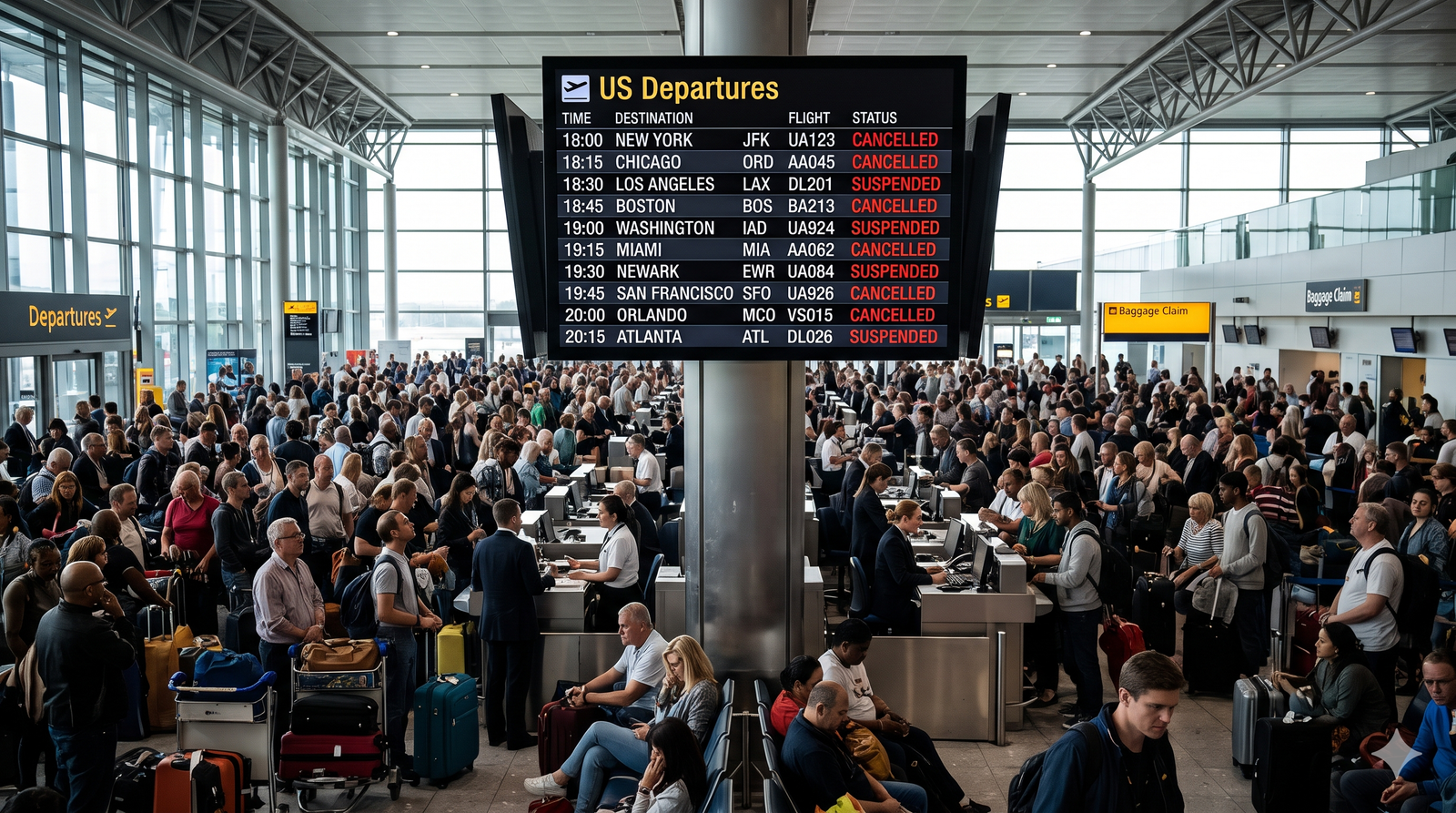
- Aviation and Logistics: Airlines in India and several other countries reported IT disruptions affecting administrative and support systems, though carriers such as Air India confirmed that flight operations themselves continued safely without cancellations.
The Cost of Single-Vendor Dependence
Early think-tank estimates projected that the global economic toll of the disruption could exceed $7 billion in lost productivity and delayed transactions. Beyond the immediate financial hit, the incident served as a blunt stress test for modern workplaces. Organizations that had retired secondary communication channels found themselves scrambling to coordinate basic tasks, underscoring why cybersecurity and resilience specialists continue to urge businesses to maintain independent out-of-band communication backups before the next cloud blackout strikes.
Leave a comment